Japan · 2016
The hydrogen that wasn’t in the bottle
By 2016 hydrogen water had become a craze in Japan. The Japanese press valued the market at 20 billion yen. Big companies such as Ito En and Panasonic entered the market, and the weekly Shukan Shincho wrote that even racehorses were being given it to drink (Daily Shincho).
In December that year, the National Consumer Affairs Center tested 19 products. In two out of ten bottles no hydrogen was found at all. In three out of five products with the concentration stated on the label, it turned out to be lower than claimed. The gas also escaped after opening: in a resealed bottle 30–60% remained after 5 hours, and about 10% after a day. When the water was poured into a cup, 50–60% of the hydrogen was left after an hour. The Center’s advice: drink it straight away (Kokusen).
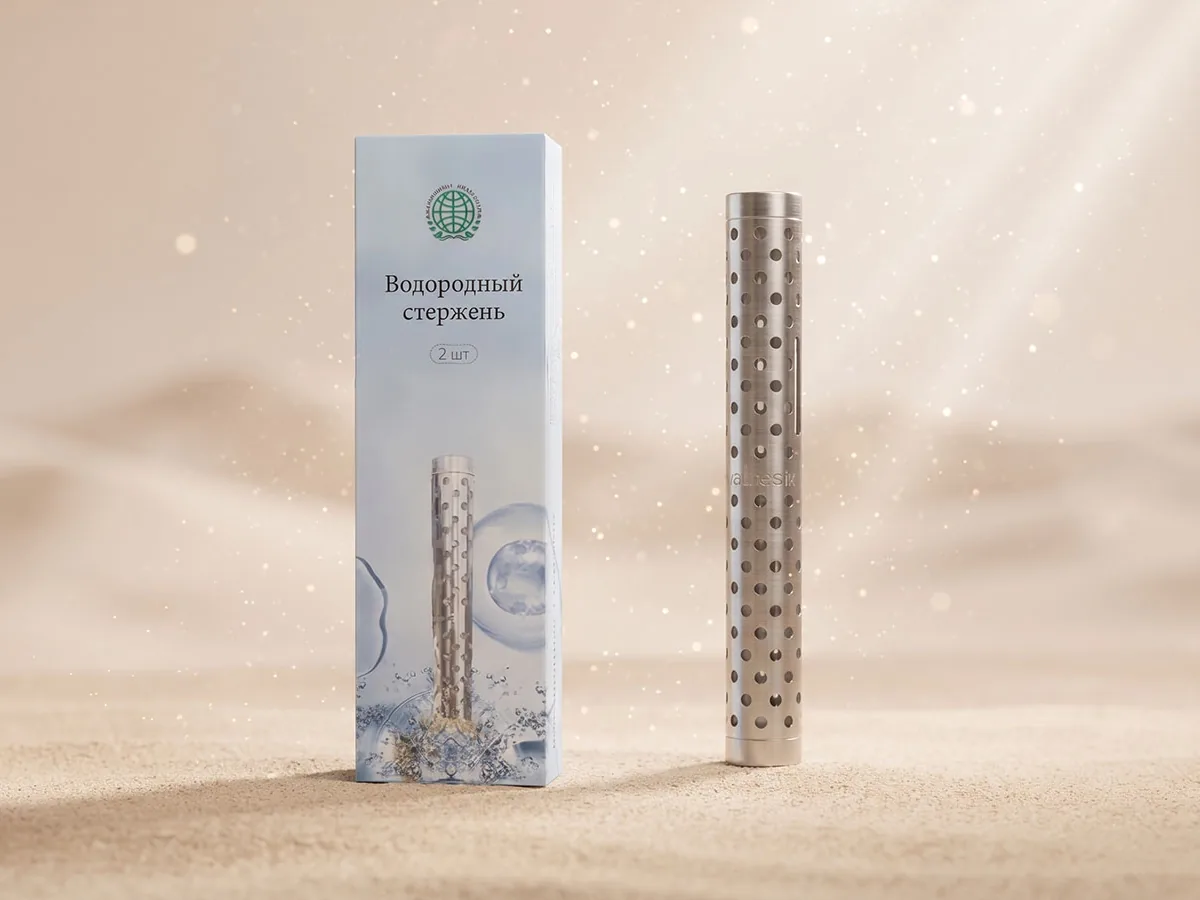
Hydrogen is better not shipped from a factory but produced where it is drunk. The stick sits in your bottle and keeps producing fresh gas all the time.
The market survived the test. In 2025, according to a survey by the trade paper Kenko Sangyo Shimbun, it grew by 14.1% and passed 30 billion yen again (kenko-media).
Ready-made hydrogen water Where the gas is bornAt the factory
TravelWarehouse, shop, bag
After openingThe gas escapes; drink at once
PurchaseEvery bottle anew
A stick in your bottle Where the gas is bornIn your bottle
TravelNone
After openingThe stick works as long as it lies in water
PurchaseTwo sticks, each for 6–8 months